Most Denver homeowners who need new windows already know they need them. Drafts in January, condensation between panes in October, energy bills that don’t make sense for the size of the house — the signs are clear enough. What slows people down is the cost conversation, and specifically the question of whether financing makes sense and what it actually looks like. This post answers that directly, with the real numbers Gravina’s offers, so you can go into a consultation knowing what to expect.
What Financing Options Does Gravina’s Offer?
Gravina’s offers two financing paths for qualifying projects of $3,000 and up.
12-Month No-Interest Program
- No interest charged as long as the full balance is paid within 12 months of project completion
- No set monthly payment — pay as much or as little as you want within the window
- Requires approved credit
- Works well for homeowners expecting a lump sum or who want flexibility in how they pay it down
- Important: if the balance isn’t cleared within 12 months, deferred interest applies
Traditional Financing Through a Third-Party Lender
- Starting at 6.99% APR
- Loan terms from 3 to 12 years
- Fixed monthly payment spread over the term you qualify for
- Rate and term depend on your credit profile — the lender handles approval directly
- Better suited for homeowners who want a predictable monthly payment over a longer period
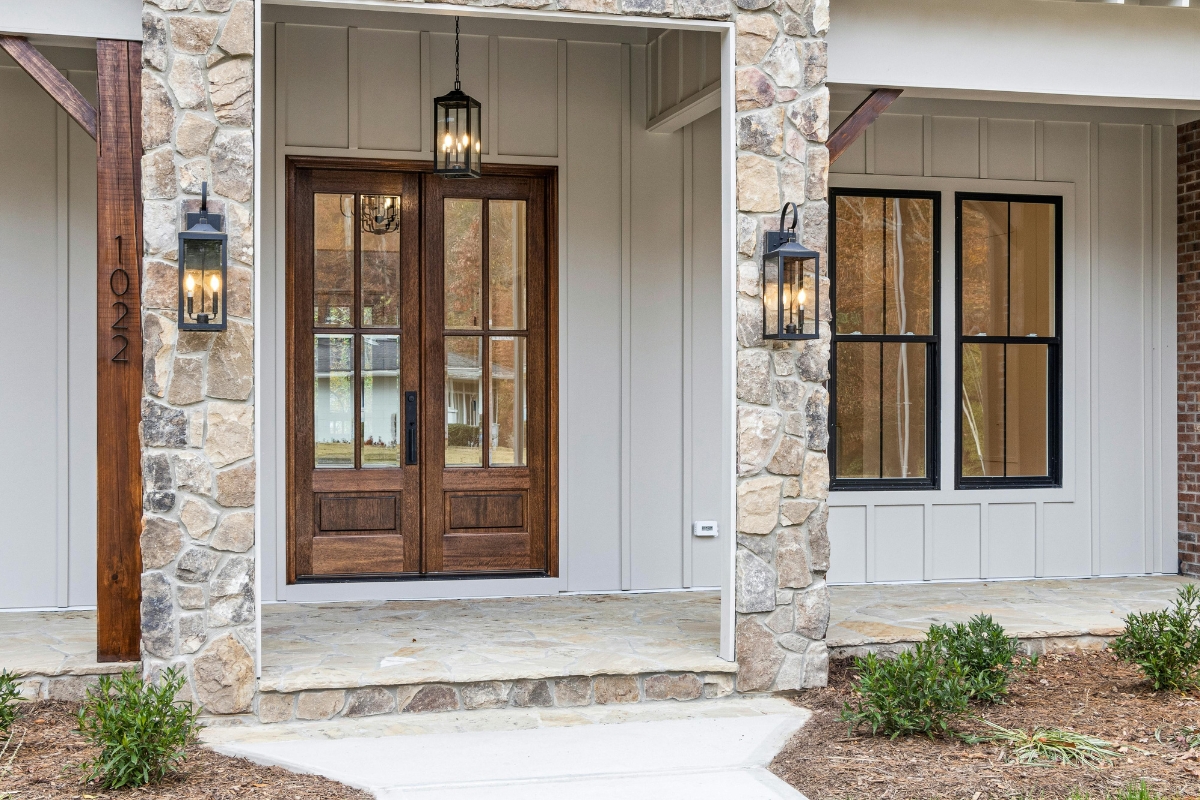
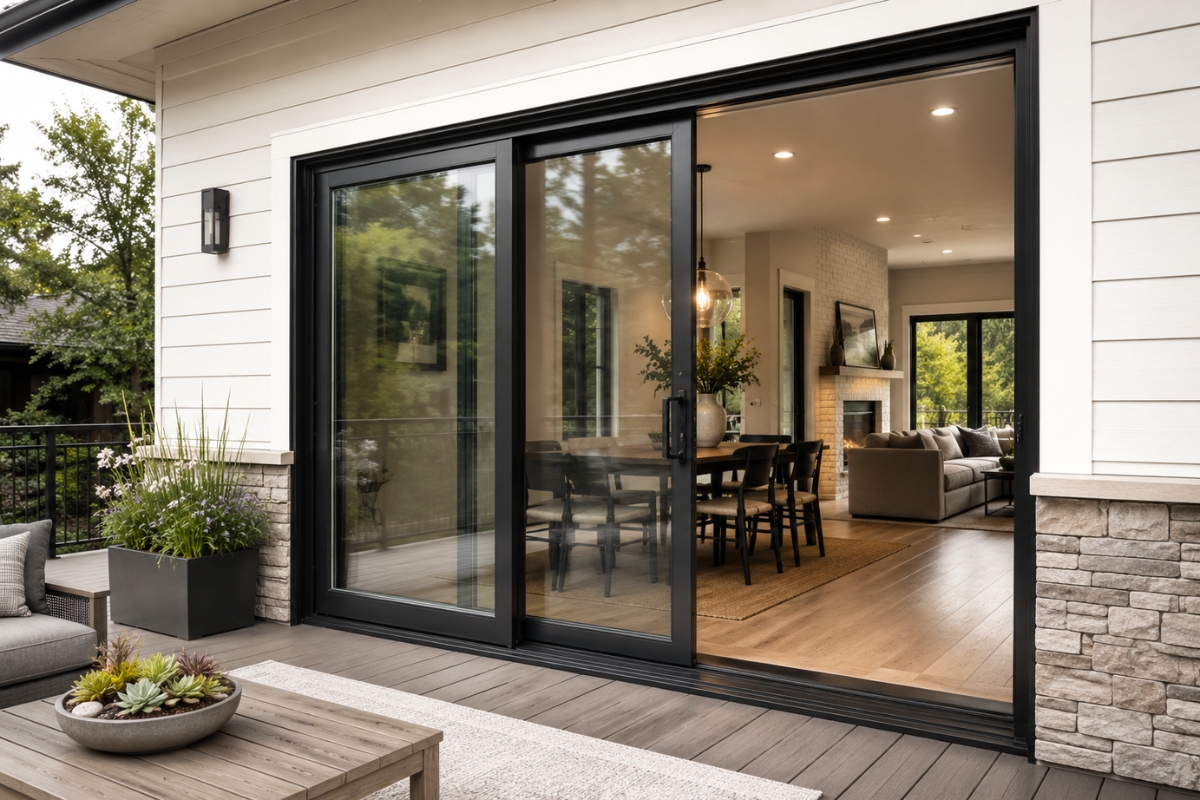
Both options apply to windows, doors, and siding, and you can finance all three together under a single project if the total reaches the $3,000 minimum. Gravina’s also accepts cash, check, and all major credit cards for homeowners who prefer to pay upfront.
Why Most Denver Homeowners Finance Their Window Projects
Window replacement is not a small purchase. A standard Denver home replacing eight to twelve windows with quality vinyl or fiberglass units will typically land somewhere between $8,000 and $18,000 installed, depending on window size, style, and material. That’s a range most households don’t have sitting in a checking account, and most don’t want to pull from savings even if they do.
Financing makes the project happen on the right timeline rather than the convenient timeline. In Colorado, that matters. Windows that are failing — drafting, fogging between panes, or sticking in the frame — are costing money every month in energy loss, and delaying the project to save up the full amount often costs more in the long run than the interest on a loan.
The U.S. Department of Energy estimates that heat gain and heat loss through windows accounts for 25 to 30 percent of residential heating and cooling energy use. In Denver’s climate, where heating season runs from October through April and cooling demand is real through July and August, that figure translates to a meaningful monthly number on the utility bill.
Can You Finance Windows, Siding, and Doors Together?
Yes, and bundling often makes financial sense. Here’s why homeowners combine projects under a single financing agreement:
- One approval process, one monthly payment. Two separate projects 18 months apart mean two applications, two sets of paperwork, and two separate payments to track.
- One installation visit. Combining windows and siding means one crew, one schedule, and one disruption to your household instead of two.
- Better exterior result. New windows installed against aging siding highlight the contrast more than most homeowners expect. Doing both at once gives the exterior a clean, consistent finish.
The $3,000 minimum applies to the combined project total, so a window and siding project that runs $14,000 qualifies the same as a window-only project at the same amount.
What Credit Score Do You Need for Window Financing?
Gravina’s financing is handled through a third-party lender, so the credit requirements are set by the lender rather than by us. As a general guideline, the 12-month no-interest program and lower APR traditional financing options typically require good to excellent credit, roughly 680 and above, though this varies. Homeowners with lower scores may still qualify for financing at a higher rate or shorter term.
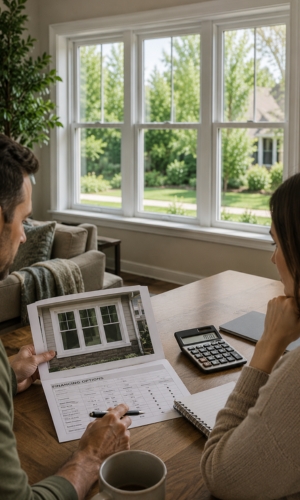
The application process is straightforward and handled during or after the consultation. If you’re concerned about qualifying, the best approach is to apply and see — approval decisions are typically fast and don’t require a commitment to move forward with the project.
Is Window Replacement a Good Investment in Denver?
For most Denver homeowners, yes — with some nuance worth understanding. According to Remodeling Magazine’s annual Cost vs. Value report, window replacement consistently returns 60 to 70 percent of project cost at resale in the Mountain region. That’s not a dollar-for-dollar return, but it’s a meaningful contribution to home value on top of the comfort, energy savings, and curb appeal improvements that show up immediately.
The stronger case for most homeowners isn’t the resale calculation — it’s the day-to-day improvement. Rooms that were cold in winter and hot in summer become comfortable. Energy bills come down. Windows that were painted shut or fogged over get replaced with units that actually work. Those improvements start the day the installation is complete, not when the house sells.
Frequently Asked Questions
Financing is available on projects totaling $3,000 and up. This applies to windows, doors, siding, and any combination of the three. Projects under $3,000 can be paid by cash, check, or major credit card.
Yes. If the balance isn’t paid in full within 12 months of project completion, deferred interest applies. The terms are set by the lending partner, so it’s worth understanding the fine print before choosing this option if there’s any chance the payoff timeline could stretch.
The financing application is typically handled during or after the consultation once you have a project scope and quote in hand. That way the loan amount matches the actual project cost.
Applying for financing involves a credit check, which can cause a small, temporary dip in your credit score. This is standard for any lending application and typically resolves within a few months.
That depends on the lender’s terms, which vary by loan product. Ask about prepayment penalties when you review the financing agreement — most products don’t have them, but it’s worth confirming before you sign.
Yes. The financing terms apply to any qualifying project of $3,000 or more, regardless of which products are included. The rate and term you qualify for are based on your credit profile, not on what you’re buying.
Ready to Talk Numbers?
If you’ve been putting off a window project because the cost feels out of reach, a conversation about financing is a good place to start. Schedule a free consultation and we’ll walk through the project scope, give you a real quote, and cover your financing options on the same visit. Call or text (303) 472-8462 — we serve Denver, Littleton, Englewood, Aurora, Centennial, Highlands Ranch, Lakewood, Westminster, Arvada, Thornton, and Fort Collins.